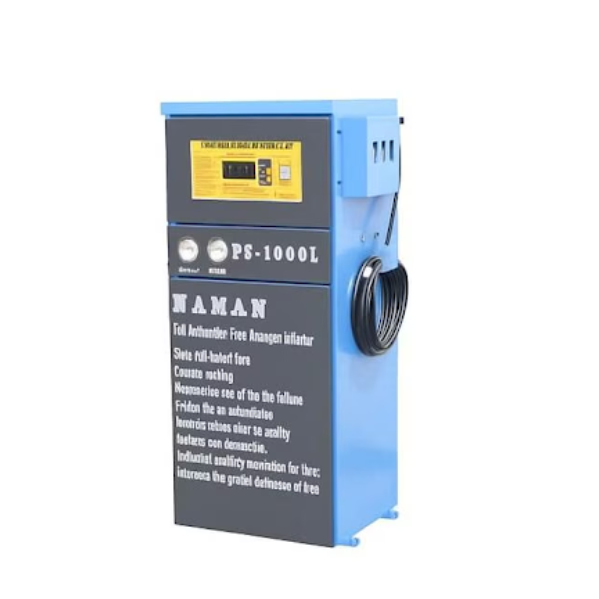
Automated tyre inflation can help businesses establish a more structured pressure-checking process, particularly where vehicles are handled repeatedly throughout the day. Before purchasing a Fully Automatic FS 4000L Air Inflator, buyers should assess whether their site, air infrastructure, workload, and support arrangements are ready for the equipment.
A product specification is only one part of the decision.
Identify the Intended Use
Start by defining where the inflator will operate.
Potential applications may include tyre shops, automotive workshops, petrol pumps, dealerships, car service centres, or fleet maintenance facilities, depending on the model's intended specifications.
The vehicle categories and expected number of daily inflation cycles should be discussed with the supplier before selection.
Verify Current Technical Specifications
Buyers should request the latest specification sheet for the FS 4000L.
Confirm operating range, air-supply requirements, controls, display functions, installation conditions, included accessories, and other model-specific information directly from current product documentation.
Avoid basing the purchase on specifications found for a similarly named inflator.
Inspect the Existing Air Infrastructure
The performance of pneumatic equipment depends on the supporting system.
Check whether the existing compressor can provide the required air supply while other workshop equipment is operating.
A workshop may use pneumatic tools, tyre changers, cleaning equipment, and other air-powered machinery simultaneously. Compressor planning should therefore consider total demand rather than one machine in isolation.
Air lines, fittings, leakage, and pressure drop also deserve attention.
Choose the Installation Area
The equipment should be positioned according to vehicle flow.
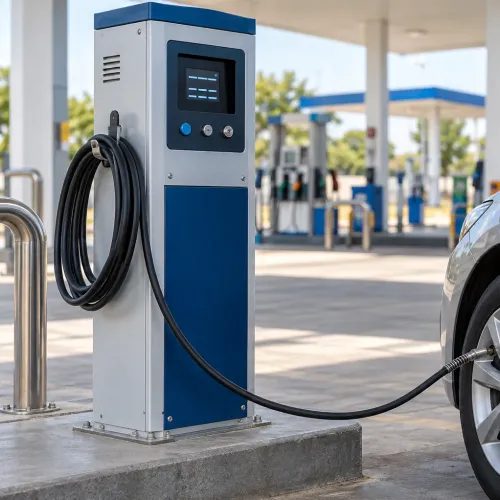
A tyre shop may place inflation equipment near the tyre service area, while a petrol pump needs to consider public vehicle movement and safe stopping space.
Fleet maintenance facilities may benefit from positioning the unit where multiple vehicles can be processed efficiently.
The best location is the one that reduces unnecessary movement without creating congestion.
Confirm Service Support
Before investing, understand what happens after installation.
Ask the supplier about:
- Installation guidance
- Commissioning
- Operator instruction
- Routine maintenance
- Troubleshooting
- Warranty coverage
- Spare components
- Service availability
A clear support process is particularly valuable for equipment used in revenue-generating operations.
Calculate Operational Value
Businesses should avoid judging an inflator purely on purchase price.
Consider how often it will be used, how many vehicles are handled, whether it simplifies existing processes, and what maintenance will be required.
For a low-volume facility, capacity should remain proportionate to actual demand. For a busy operation, reliability and workflow integration may carry greater importance.
Regional Supplier Considerations
Automotive businesses in Zirakpur occupy a strategically connected market serving Punjab and the wider Chandigarh–Mohali–Panchkula region. Petrol pumps, tyre centres, workshops, dealerships, and fleet businesses may therefore experience varying service volumes.
Working with a supplier that can discuss both equipment and installation requirements can simplify planning.
Aarya Automative Solutions supplies garage equipment for automotive businesses and can help buyers assess whether a proposed inflation setup matches their intended application.
Know When You Are Ready to Buy
A business is better prepared to purchase a Fully Automatic FS 4000L Air Inflator when it has confirmed the intended vehicle application, daily workload, air supply, installation space, utility requirements, operator responsibilities, and after-sales support.
These readiness checks reduce the likelihood of discovering infrastructure problems after delivery.
Automotive equipment performs best when it is selected as part of a complete operating system. By evaluating workload, compressed-air infrastructure, installation layout, maintenance, and supplier support together, businesses can make a more informed investment and create a tyre-inflation process suited to everyday commercial use.
Keywords