Opening a new automotive service facility involves dozens of connected decisions. Vehicle lifts, tyre equipment, wheel alignment systems, emission-testing equipment, compressors, body-shop machinery, and workshop layout all need to work together.
Choosing an automotive garage equipment supplier therefore requires more than comparing individual machine prices.
For entrepreneurs establishing workshops in Zirakpur, supplier evaluation should begin with the planned service model.
Define Your Workshop Before Requesting Equipment
Create a clear list of services first.
Will the facility focus on general servicing, tyres, alignment, vehicle testing, body repair, or a combination of these?
This determines what equipment is genuinely necessary.
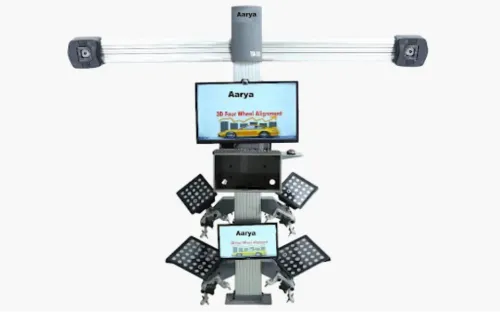
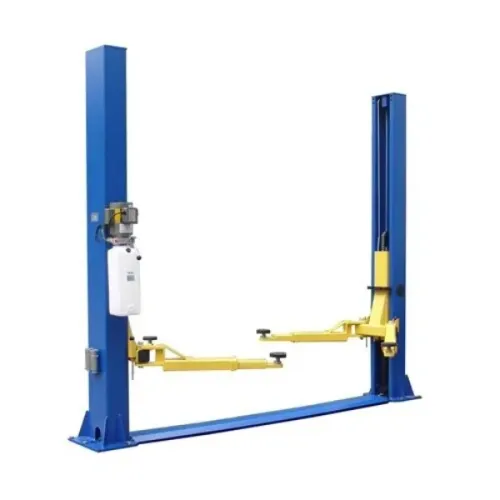
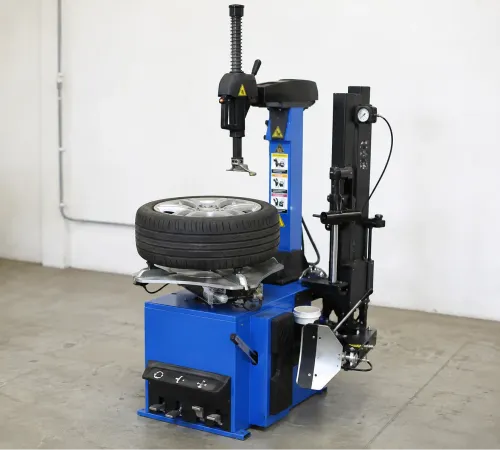
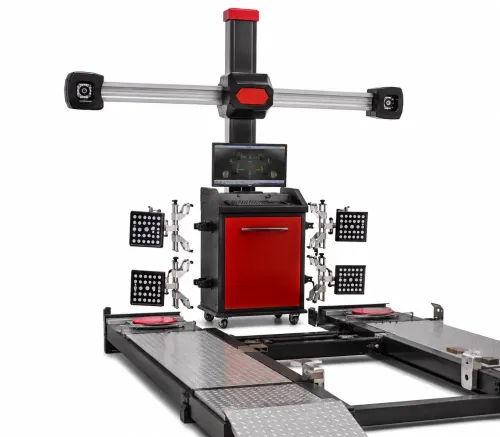
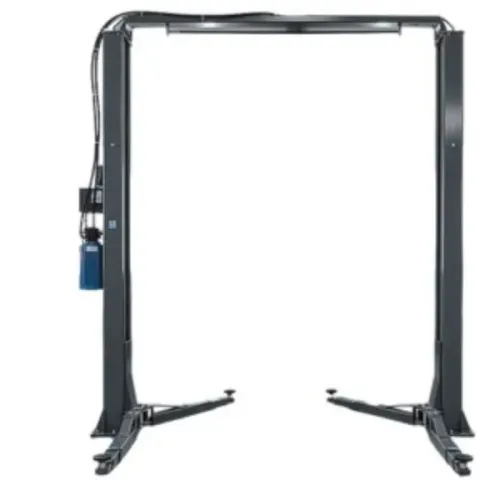
A general service workshop may prioritise Two Post lifts and basic garage machinery, while a tyre-focused facility may need a Tire Changer, wheel balancer, and 3D Wheel Alignment system.
A vehicle testing operation may have different requirements, including a Pollution Check Machine.
Ask for Equipment Based on Vehicle Categories
Tell the supplier what vehicles you intend to service.
Providing only the phrase 'car workshop' is rarely enough.
Specify whether the facility expects hatchbacks, sedans, SUVs, premium cars, light commercial vehicles, or a mixture.
This information affects lifting capacity, wheel-size requirements, bay dimensions, and other equipment specifications.
Evaluate Site-Planning Support
Good workshop planning considers equipment interaction.
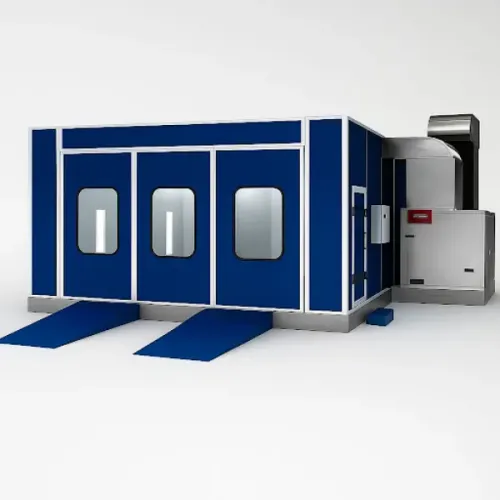
For example, a tyre changer positioned far from the balancing area increases unnecessary wheel movement. A vehicle lift installed without adequate surrounding clearance can restrict technicians. A paint booth planned without considering exhaust and access requirements can complicate installation.
Ask whether equipment selection can be coordinated with the available floor plan.
Compare Specifications Properly
Two machines with similar names may differ considerably.
When reviewing quotations, compare:
- Rated capacity
- Supported vehicle or wheel sizes
- Electrical requirements
- Pneumatic requirements
- Installation needs
- Included accessories
- Calibration requirements
- Warranty terms
- Maintenance needs
- Technical support
Comparing only the final price can hide important differences.
Ask About Installation
Some workshop equipment requires specialised installation or commissioning.
Clarify what is included before placing an order.
For vehicle lifting systems, installation conditions are particularly important. For alignment and testing equipment, setup or calibration requirements may also need attention.
Consider Technician Training
Equipment produces value only when employees can operate it correctly.
Ask what training or operating guidance is available.
This is particularly important for systems such as 3D Wheel Alignment machines, Pollution Check Machines, tyre service machinery, and paint-shop equipment where correct procedure directly influences workflow.
Examine After-Sales Support
A workshop cannot treat equipment downtime as an abstract problem.
Ask how technical issues are reported, how replacement components are sourced, what maintenance support is available, and whether the provider supports the equipment after commissioning.
Aarya Automative Solutions serves automotive workshops and service facilities requiring garage machinery in Zirakpur. For businesses planning a complete setup, equipment discussions can begin with the proposed services, available site dimensions, expected vehicle categories, and anticipated daily workload.
Build the Workshop as One System
Punjab's automotive service market includes independent garages, tyre shops, body shops, testing facilities, and multi-service centres. Each needs a different equipment combination.
The strongest workshop setup is therefore not necessarily the one containing the largest number of machines. It is the one where each piece of equipment has a clear operational purpose.
Selecting an automotive garage equipment supplier capable of understanding those requirements can help business owners make more informed purchasing decisions and build a facility around practical workflow rather than disconnected equipment purchases.
Keywords