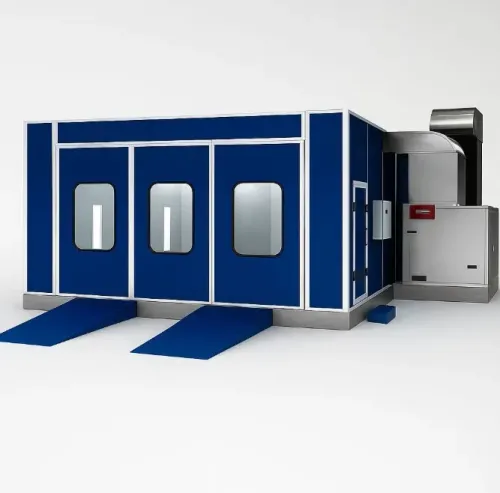
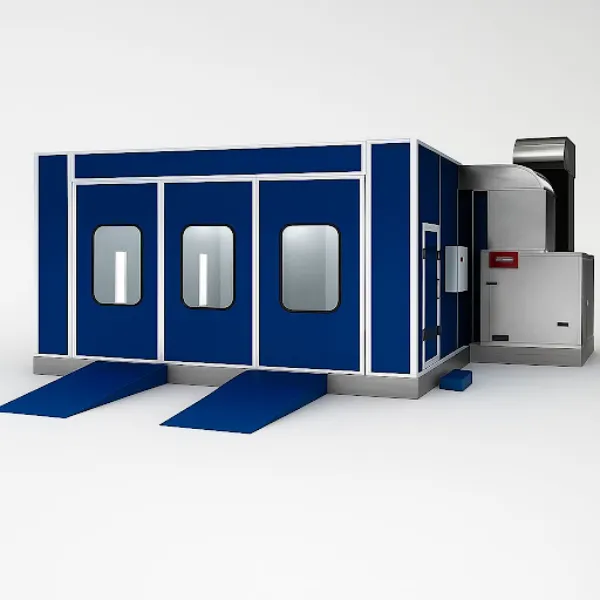
Installing a paint booth is a major step for an automotive workshop moving into organised body repair and refinishing. Because the system affects airflow, filtration, workspace, electrical requirements, and shop layout, buying decisions should begin with site conditions and expected workload.
A structured checklist can help body-shop owners in Zirakpur evaluate equipment more effectively.
Define the Vehicles Entering the Booth
Start with vehicle dimensions.
A facility focusing on passenger cars will have different space requirements from one expecting larger SUVs or commercial vehicles.
Consider not only current customers but the market segment the business plans to serve.
Measure the Available Site
Record the usable installation area carefully.
Include:
- Booth dimensions
- Vehicle entry path
- Door clearance
- Ducting requirements
- Equipment access
- Service clearance
- Preparation space
- Electrical infrastructure
- Exhaust arrangements
Do not assume that a booth fitting within the floor dimensions automatically means the complete installation will fit.
Understand the Airflow Configuration
Ask how filtered air enters, moves through, and exits the booth.
Airflow influences the working environment and management of airborne overspray. Different configurations are available, and suitability depends on the body shop's operating requirements and building conditions.
The ventilation and exhaust arrangement should be planned as part of the overall installation.
Review Filtration Requirements
Understand what filters are used, where they are positioned, how they are accessed, and how frequently inspection or replacement may be required.
Filter maintenance should be straightforward enough to become part of routine workshop management.
Check Lighting
Refinishing technicians require consistent visibility across different areas of the vehicle.
Review the lighting arrangement and how effectively it illuminates vertical and horizontal surfaces.
Lighting should support inspection and refinishing work without creating unnecessary shadows.
Consider Heating and Drying Requirements
Some booth configurations include systems designed to support controlled heating or drying cycles.
Workshop owners should understand the operating requirements, energy demand, controls, and maintenance implications of the selected configuration.
Avoid paying for functionality without understanding how it will be used in everyday production.
Examine Safety Requirements
Paint and refinishing materials require careful handling.
Applicable ventilation, electrical, fire-safety, storage, operating, and occupational-safety requirements should be reviewed before commissioning the facility.
Personal protective equipment and technician training remain essential even in a well-designed booth.
Ask About Installation Support
Paint booth performance depends significantly on installation.
Before placing an order, clarify who will assess the site, install the equipment, commission the system, explain controls, and provide ongoing technical assistance.
Aarya Automative Solutions works with automotive workshops requiring garage and body-shop machinery in Zirakpur. Businesses evaluating paint booth installations can discuss site dimensions, vehicle categories, workflow, and utility requirements before finalising equipment.
Plan for Maintenance Access
Filters, fans, electrical components, doors, seals, and associated systems require inspection over the working life of the booth.
Maintenance access should therefore be considered during layout planning rather than after installation.
For automotive businesses expanding body-shop capabilities in Punjab, a paint booth should be treated as infrastructure rather than a standalone machine. Careful planning of space, airflow, utilities, safety, workflow, and maintenance can create a facility better suited to consistent day-to-day refinishing operations.
Keywords