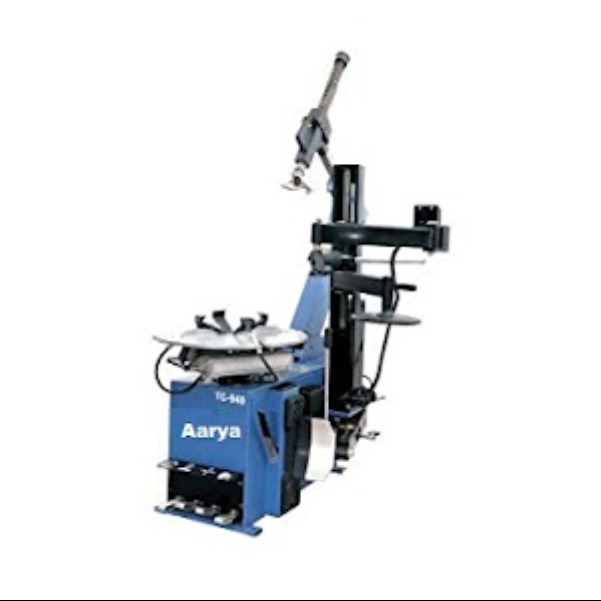
Removing a tyre from a wheel and installing another may appear straightforward, but the process requires controlled force and appropriate equipment. A Tire Changer helps technicians perform mounting and demounting operations more systematically while reducing dependence on purely manual methods.
For tyre shops, automobile workshops, dealerships, and fleet maintenance facilities, understanding machine capabilities is important before establishing a tyre service bay.
What Does a Tire Changer Do?
The equipment assists technicians in separating the tyre bead from the rim, securing the wheel, removing the tyre, and installing a replacement.
Machine design varies according to the intended application. Equipment suitable for common passenger vehicles may differ from machinery required for specialised wheel sizes or higher-volume tyre operations.
Before selecting a machine, businesses should identify the tyres and wheels they expect to handle regularly.
Why Manual Technique Still Matters
Automation does not eliminate the need for technician skill.
Incorrect operation can potentially damage a tyre, wheel, valve, or related component. Low-profile tyres and certain wheel designs may require additional care.
Technicians should understand:
- Correct wheel clamping
- Bead-breaking procedures
- Lubrication practices
- Tool positioning
- Tyre direction where applicable
- Safe inflation procedures
- Wheel protection techniques
Training contributes directly to service quality.
Planning the Tyre Bay
A tyre changer should not be placed wherever unused floor space happens to be available.
The technician needs sufficient working room around the machine. Wheels need to be moved safely between tyre removal, balancing, inflation, and vehicle installation areas.
A well-designed bay can reduce unnecessary lifting and movement.
Workshop owners should consider compressed-air supply, electrical requirements where applicable, tool storage, wheel movement, lighting, and nearby balancing equipment.
Matching Capacity to Daily Work
A small workshop handling occasional tyre replacement has different needs from a dedicated tyre centre processing vehicles continuously.
Buying excessive capacity can increase investment without producing equivalent operational value. Choosing a machine with inadequate capability can create a bottleneck.
The better approach is to estimate realistic service volume and identify the wheel categories most frequently handled.
Tyre Service Demand in the Region
Zirakpur's road connectivity creates demand from private vehicle owners, commercial vehicles, taxis, fleet operators, and customers moving through the Punjab and Chandigarh region.
Tyre businesses serving this market may benefit from designing their service areas around predictable operations rather than adding machines independently without considering workflow.
Garage equipment suppliers such as Aarya Automative Solutions can provide information on machine specifications and installation requirements for workshops planning tyre-service capabilities.
Maintenance Should Be Routine
A tyre changer experiences repeated mechanical movement throughout the working day.
Operators should inspect the equipment periodically and follow recommended maintenance practices. Clamping mechanisms, moving components, pneumatic systems, and working tools should remain in suitable condition.
Problems should be addressed early rather than allowing a machine to operate until a major failure occurs.
A Tire Changer is ultimately a productivity tool. Its usefulness depends on selecting the correct machine, creating enough working space, training technicians, and maintaining the equipment consistently. When these fundamentals are in place, tyre shops can establish a smoother and more controlled tyre-changing process.
Keywords