A Pollution Check Machine plays an important role in vehicle emission testing by measuring pollutants released through the exhaust system. For pollution testing centres, automobile workshops, petrol pumps, and service facilities, understanding how this equipment works is useful before selecting or operating a testing setup.
Vehicle emissions vary according to fuel type, engine condition, combustion efficiency, maintenance history, and several other factors. This is why emission testing requires appropriate equipment rather than relying on visible exhaust smoke alone.
What Does a Pollution Check Machine Do?
A pollution testing setup is designed to evaluate exhaust emissions and provide measurable data that can be used during vehicle inspection.
Depending on the type of vehicle and testing requirement, equipment may be used to assess petrol, CNG, LPG, or diesel vehicles. Petrol-engine testing commonly involves gas analysis, while diesel vehicles are generally evaluated using smoke measurement equipment.
The testing process helps identify whether exhaust emissions fall within the applicable limits and whether further vehicle inspection may be required.
Why Accurate Emission Measurement Matters
A vehicle can appear to run normally while still producing excessive emissions. Problems with combustion, fuel delivery, engine components, or maintenance can influence emission levels.
Reliable testing equipment helps operators obtain consistent readings instead of depending on visual assumptions.
For pollution testing businesses, consistency is particularly important because customers expect the testing process to be systematic and professionally conducted.
Different Equipment for Different Engines
One machine may not be suitable for every emission-testing application.
Gas analysers are commonly associated with petrol and alternative-fuel vehicles. They measure specific gases present in exhaust emissions.
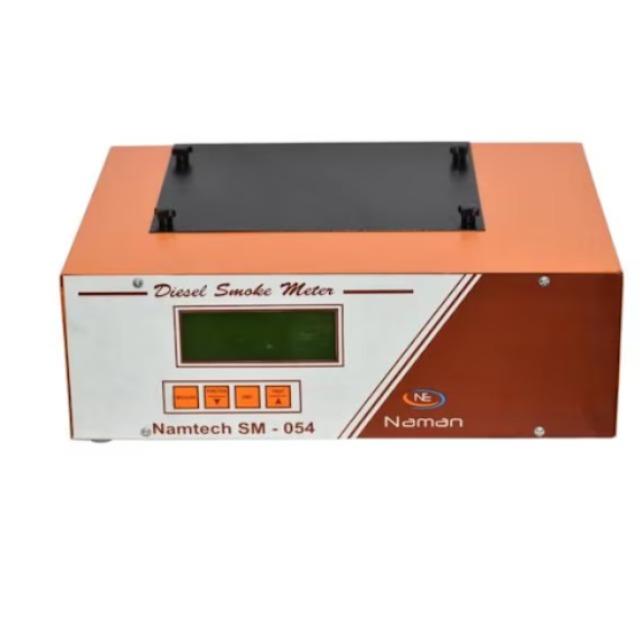
Diesel smoke meters, by comparison, assess smoke opacity from diesel exhaust. Because diesel combustion characteristics differ from petrol engines, using equipment intended for the relevant application is essential.
Workshop owners should therefore identify the vehicle categories they expect to test before planning their equipment setup.
Factors That Can Affect Test Readings
Equipment quality is only one part of accurate emission testing. Testing practices also matter.
Operators should pay attention to:
- Correct equipment setup
- Proper sampling procedures
- Condition of probes and hoses
- Calibration requirements
- Vehicle operating condition during testing
- Routine equipment maintenance
- Manufacturer-recommended operating procedures
Ignoring these factors can contribute to inconsistent results.
Local Workshop Relevance
Zirakpur serves a busy automotive market influenced by traffic movement across Punjab and the wider Chandigarh–Mohali–Panchkula region. Pollution testing centres, workshops, dealerships, petrol pumps, and fleet operators in this market may handle different vehicle categories throughout the day.
A testing facility should therefore plan equipment around its actual operating requirements rather than simply choosing a machine based on price.
Businesses evaluating automotive emission equipment can consult suppliers such as Aarya Automative Solutions to understand machine categories, specifications, installation considerations, and after-sales requirements.
Building a More Reliable Testing Process
The best emission-testing setup combines suitable equipment with trained operation.
Before beginning regular testing, operators should understand machine controls, warm-up requirements, sampling procedures, calibration schedules, and routine maintenance. Records relating to servicing and calibration should also be maintained where applicable.
Pollution testing is ultimately a measurement-based process. A properly selected Pollution Check Machine, supported by disciplined operating practices, can help testing centres establish a more consistent workflow while giving vehicle owners clearer information about their vehicle emissions.
Keywords