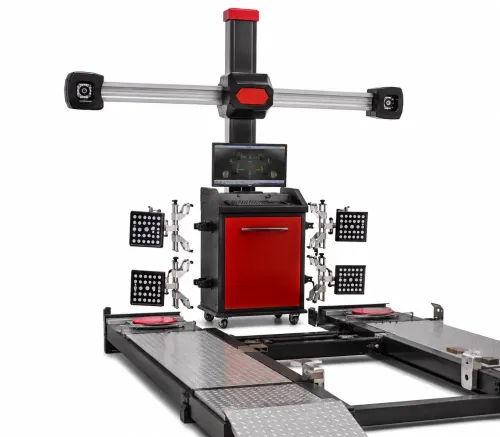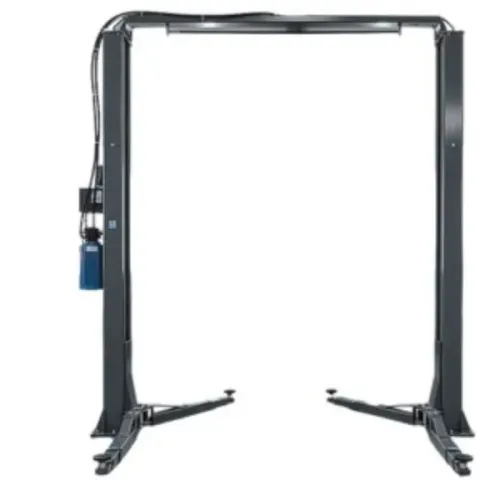
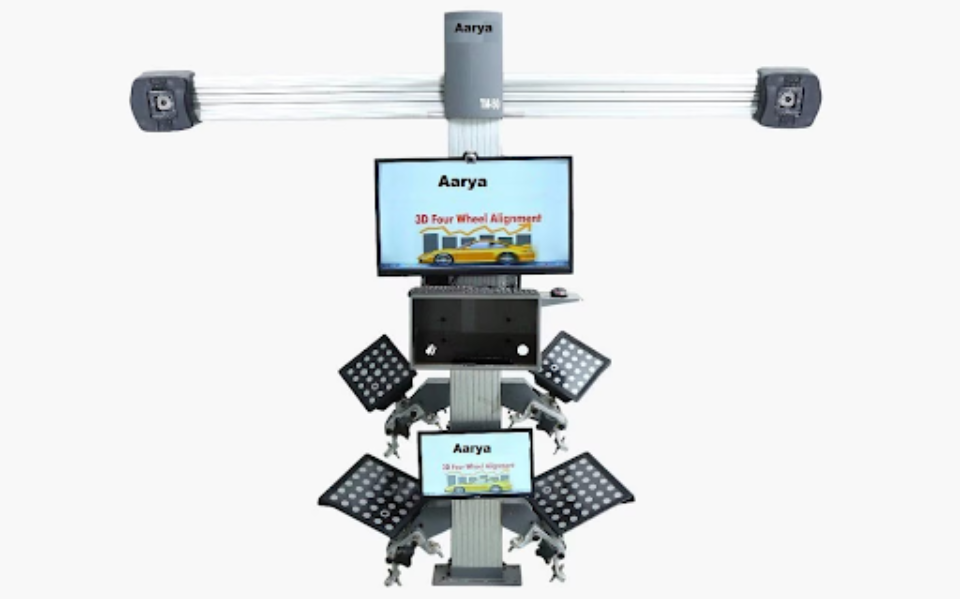
Not every automotive workshop needs to purchase every machine during its first stage of operation. 3D Wheel Alignment equipment can create an additional service opportunity, but the investment makes the most sense when customer demand, workshop space, technician capability, and related services are already aligned.
Several readiness indicators can help garage owners decide whether the timing is appropriate.
Customers Frequently Ask for Alignment
The clearest indicator is existing demand.
If customers regularly request wheel alignment and the workshop repeatedly refers those jobs elsewhere, there may be an opportunity to retain more work internally.
Track these enquiries for several weeks rather than relying on memory.
Record how many customers ask for alignment, what vehicles they drive, and whether the enquiry accompanies tyre, steering, or suspension work.
Tyre Services Are Already Established
Alignment fits naturally alongside tyre changing, wheel balancing, suspension inspection, and steering-related services.
A tyre centre that already handles consistent vehicle volume may find alignment easier to integrate than a workshop with little tyre-related demand.
This service relationship also helps create a logical customer journey.
The Workshop Has Enough Space
A 3D alignment system requires more than a free corner.
The facility needs an appropriate alignment bay, equipment positioning, camera clearance where applicable, vehicle access, technician movement, and supporting infrastructure.
Workshops in Zirakpur should measure their premises carefully before evaluating machine models.
Technicians Can Support the Service
Technology can provide measurements, but technicians still need to understand alignment principles.
A workshop should be prepared to invest in operator training so employees can interpret readings, inspect related steering and suspension components, and make appropriate adjustments.
Buying equipment without developing technician capability can limit its usefulness.
Current Outsourcing Is Becoming Inefficient
Some workshops initially outsource alignment to nearby specialists.
This can be sensible when demand is low.
However, as job volume increases, outsourcing may create delays, additional vehicle movement, coordination problems, and lost revenue opportunities.
At that stage, bringing the service in-house may deserve evaluation.
The Business Can Estimate Utilisation
Before purchasing, estimate realistic monthly alignment volume.
Consider:
- Existing customer traffic
- Tyre-service volume
- Alignment enquiries
- Local competition
- Average service capacity
- Technician availability
- Equipment downtime allowance
- Operating and maintenance costs
Avoid projections based purely on maximum theoretical machine capacity.
There Is a Clear Expansion Plan
For an automotive business in Zirakpur serving the broader Punjab market, alignment equipment may form part of a planned transition from a basic garage to a more comprehensive service centre.
Aarya Automative Solutions supplies automotive workshop machinery, including equipment suitable for alignment facilities. Before selecting a 3D Wheel Alignment system, workshop owners can evaluate bay dimensions, vehicle mix, expected workload, and supporting equipment requirements.
The decision becomes easier when customer demand is already visible and the workshop has the physical and technical capacity to deliver the service consistently. Investment should follow a defined business requirement rather than simply a desire to add another machine to the workshop floor.
Keywords