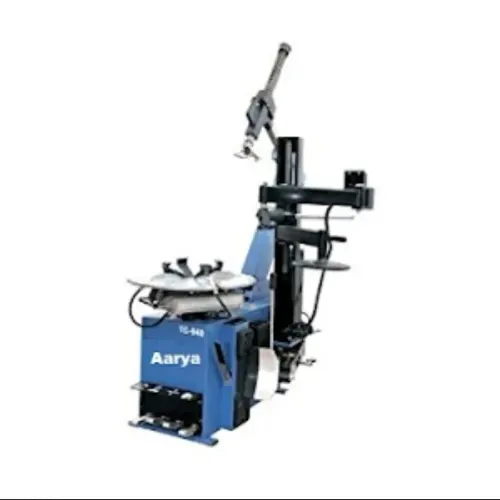
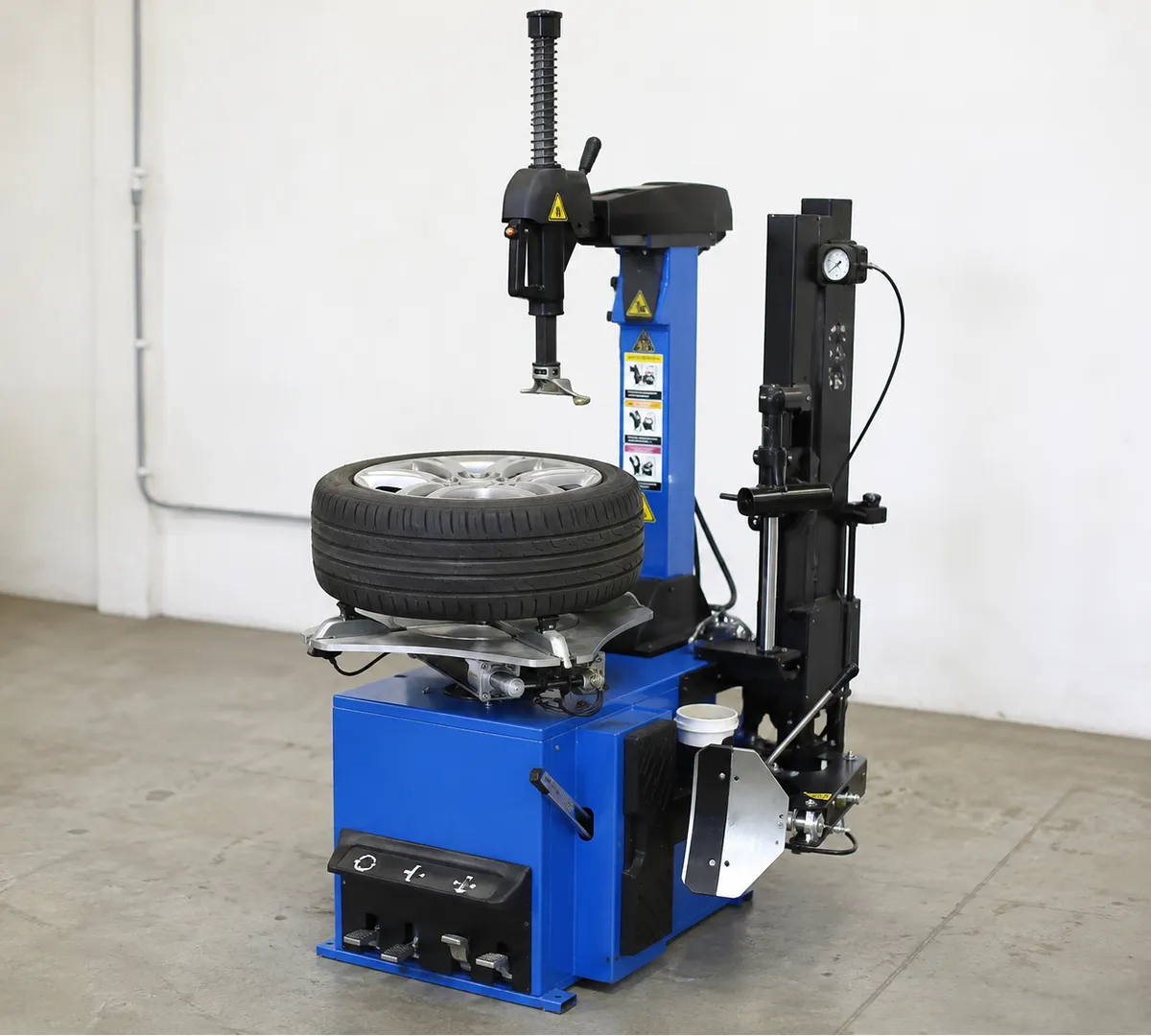
A Tire Changer can become one of the most frequently used machines in a tyre service facility. Yet equipment that looks suitable on paper can become frustrating if its capacity, pneumatic requirements, or operating features do not match the workshop's daily workload.
Avoiding several common purchasing mistakes can make the investment more practical.
Buying Only for the Lowest Price
Initial price matters, but it should not be the only comparison point.
A machine that cannot comfortably handle the workshop's common wheel sizes may create delays or require premature replacement as the business expands.
Compare the complete operating requirement rather than the purchase invoice alone.
Ignoring the Vehicle Mix
Look at the vehicles actually entering the workshop.
A tyre centre serving hatchbacks and sedans may have different requirements from one servicing SUVs, premium vehicles, or larger wheels.
Record common wheel sizes for several weeks. This provides useful evidence when deciding equipment capacity.
Forgetting About Low-Profile Tyres
Tyre technology and wheel designs have changed considerably.
Low-profile tyre combinations can require greater care during removal and installation. Workshops servicing these vehicles should assess whether additional assistance features are appropriate for their workload.
Technician skill remains important regardless of equipment configuration.
Overlooking the Compressor
Pneumatic equipment depends on an adequate compressed-air supply.
If several workshop machines operate simultaneously, the compressor and air distribution system must support the combined demand.
Before installing a tyre changer, verify:
- Required operating pressure
- Compressor capacity
- Air-line condition
- Moisture management
- Connections
- Expected simultaneous air consumption
Poor air planning can make good equipment appear unreliable.
Creating a Poor Tyre-Service Layout
The tyre changer, wheel balancer, inflation equipment, tools, and vehicle bay should work together.
Placing machines wherever empty floor space happens to exist often results in unnecessary wheel handling and technician movement.
A tyre-service workflow should be mapped before installation.
For workshops in Zirakpur, this can be particularly useful when operating from compact commercial units where every square metre needs to be used effectively.
Neglecting Operator Training
Incorrect clamping or mounting technique can damage wheels or tyres and create unnecessary wear on equipment.
Technicians should understand machine controls, safe operating procedures, wheel clamping, bead breaking, mounting technique, and routine equipment checks.
Training should be treated as part of equipment commissioning rather than an optional extra.
Forgetting Future Demand
Automotive businesses evolve.
A workshop may begin with basic tyre services and later attract customers with larger wheels or different vehicle categories.
While there is no need to overbuy dramatically, allowing reasonable room for service growth can protect the investment.
Not Asking About Maintenance Support
Machines contain moving, pneumatic, and wear components that require attention over time.
Before purchase, ask about routine maintenance, consumable parts, technical assistance, and spare-component availability.
Aarya Automative Solutions supplies garage machinery for tyre and automotive service businesses in Zirakpur and the Punjab market. Buyers evaluating a Tire Changer should discuss wheel sizes, expected daily jobs, air infrastructure, available floor space, and technician requirements before deciding on a model.
A well-matched tyre changer should fit naturally into the service process. Avoiding specification, infrastructure, and layout mistakes at the purchasing stage can prevent considerably larger operational problems later.
Keywords