Incorrect wheel alignment can affect tyre wear, steering behaviour, vehicle stability, and driving comfort. For workshops and tyre service centres handling alignment work regularly, 3D wheel Alignment technology provides a measurement-based approach to checking wheel geometry.
Modern alignment systems are designed to help technicians identify deviations that may be difficult to judge through visual inspection alone.
What Is 3D Wheel Alignment?
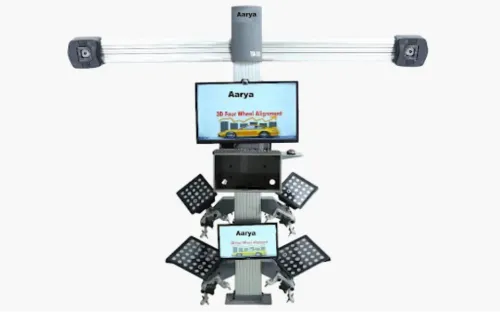
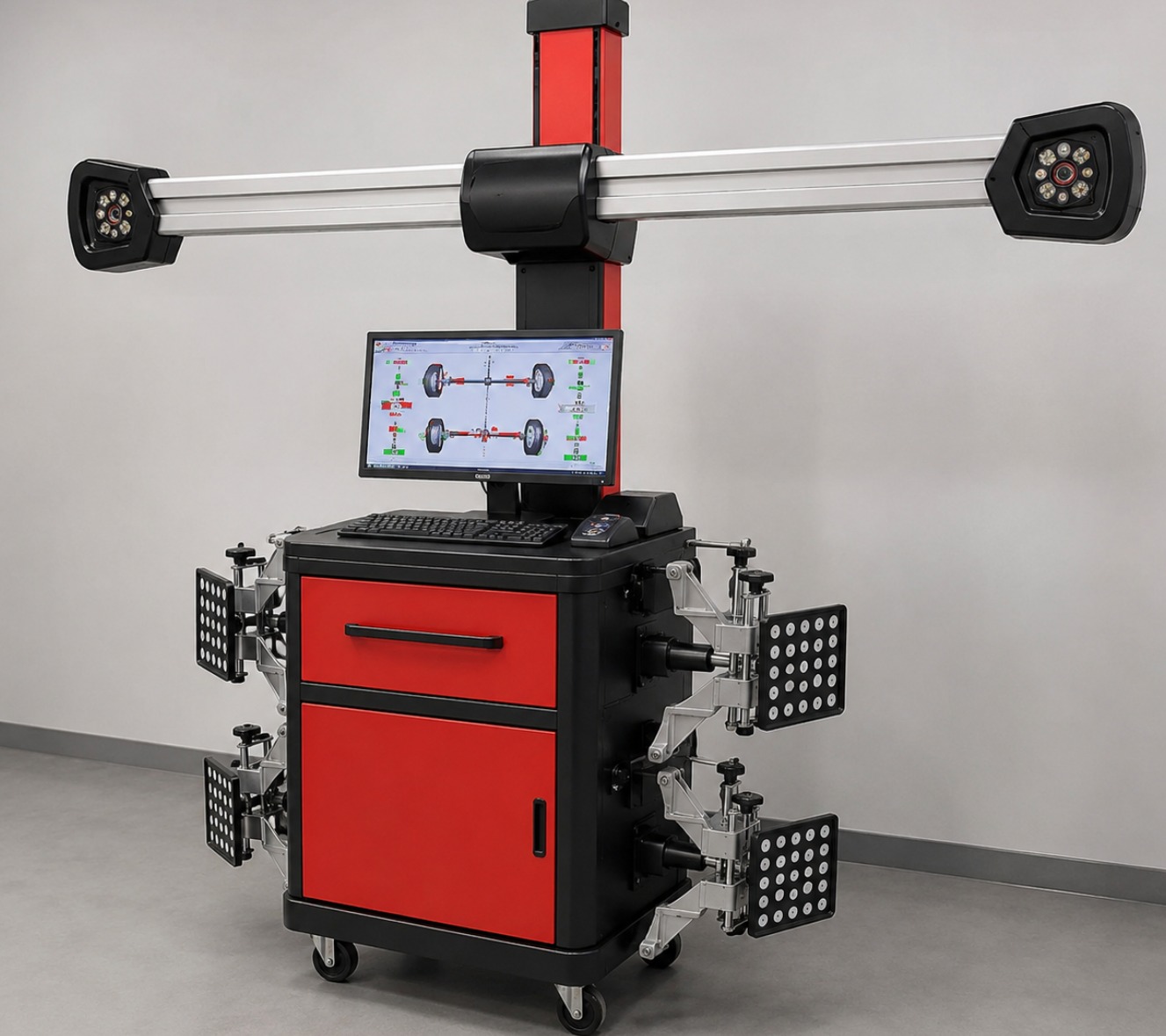
A 3D alignment system uses targets, cameras, software, and measurement technology to evaluate wheel angles.
Depending on the system, technicians can measure important alignment parameters such as:
- Camber
- Caster
- Toe
- Steering geometry
- Related wheel-position measurements
The software displays measurement information that helps the technician understand how the current alignment compares with the required specifications.
Why Wheel Alignment Changes
Wheel alignment does not remain fixed throughout a vehicle's life.
Potholes, kerb impacts, suspension repairs, steering component replacement, accidents, worn components, and normal road use can influence alignment.
Drivers may notice symptoms such as uneven tyre wear, steering pull, an off-centre steering wheel, or unusual handling. However, symptoms alone cannot confirm the exact alignment problem.
Measurement is necessary.
Benefits for Tyre Service Centres
For tyre shops, alignment is closely connected with tyre service quality.
A customer investing in new tyres may experience premature or uneven wear if alignment problems remain unresolved. Offering alignment measurement gives technicians an opportunity to assess wheel geometry as part of a broader tyre service workflow.
A well-planned alignment bay can also help businesses organize vehicle movement more efficiently.
Equipment Does Not Replace Inspection
Advanced measurement technology is useful, but it should not be treated as a substitute for mechanical inspection.
Loose steering components, damaged suspension parts, incorrect tyre pressure, or worn components can affect the alignment process. These conditions should be checked before adjustments are made.
Technician training therefore remains important even when sophisticated equipment is used.
Workshop Conditions Matter
The alignment machine is only one part of the setup.
Workshop owners should also consider:
- Available bay dimensions
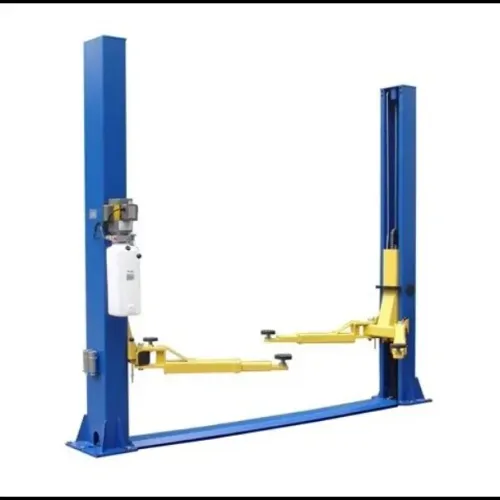
- Alignment lift compatibility
- Floor condition
- Vehicle categories handled
- Computer and software requirements
- Target storage
- Power requirements
- Technician working space
Planning these details before installation can prevent workflow problems later.
Relevance for Regional Workshops
Automotive businesses in Zirakpur often serve customers travelling throughout Punjab and the adjoining Chandigarh tri-city market. Tyre shops, multi-brand workshops, dealerships, and fleet service centres may therefore encounter vehicles with different wheel sizes and service requirements.
Selecting alignment equipment according to expected vehicle volume and workshop layout can be more useful than focusing only on headline specifications.
Aarya Automative Solutions supplies garage equipment for automotive businesses and can help workshops evaluate equipment requirements based on the intended application.
Using Alignment Technology Effectively
A 3D alignment system delivers its greatest value when the workshop combines accurate measurement with proper mechanical inspection and adjustment practices.
Targets and related components should be handled carefully. Equipment should be maintained according to manufacturer recommendations, and technicians should understand the software rather than simply following screen prompts without interpreting the measurements.
For workshops seeking a more structured approach to alignment work, 3D wheel Alignment can support faster diagnosis, clearer measurements, and a professional tyre-service workflow when installed and operated correctly.
Keywords