Adding wheel alignment can expand the range of services offered by a tyre shop or automotive service centre, but choosing equipment requires more than comparing headline specifications. A 3D Wheel Alignment Machine should match the workshop's vehicle mix, available space, service volume, and technician capabilities.
For growing automotive businesses in Zirakpur, the purchase should be approached as a workflow decision as much as an equipment decision.
Start With the Vehicles You Service
Review recent workshop records before selecting equipment.
How many vehicles are passenger cars? How frequently do SUVs enter the workshop? Are premium vehicles common? Does the business intend to expand into new vehicle categories?
This information helps define realistic equipment requirements.
Evaluate the Measurement System
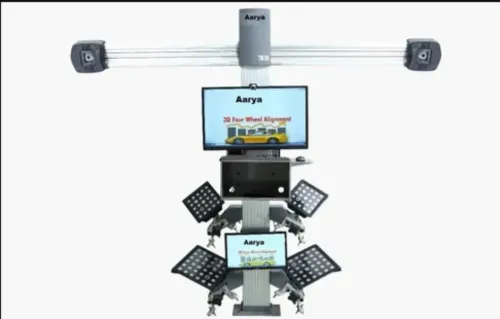
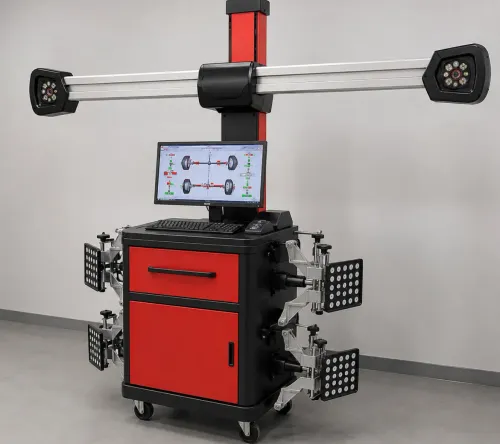
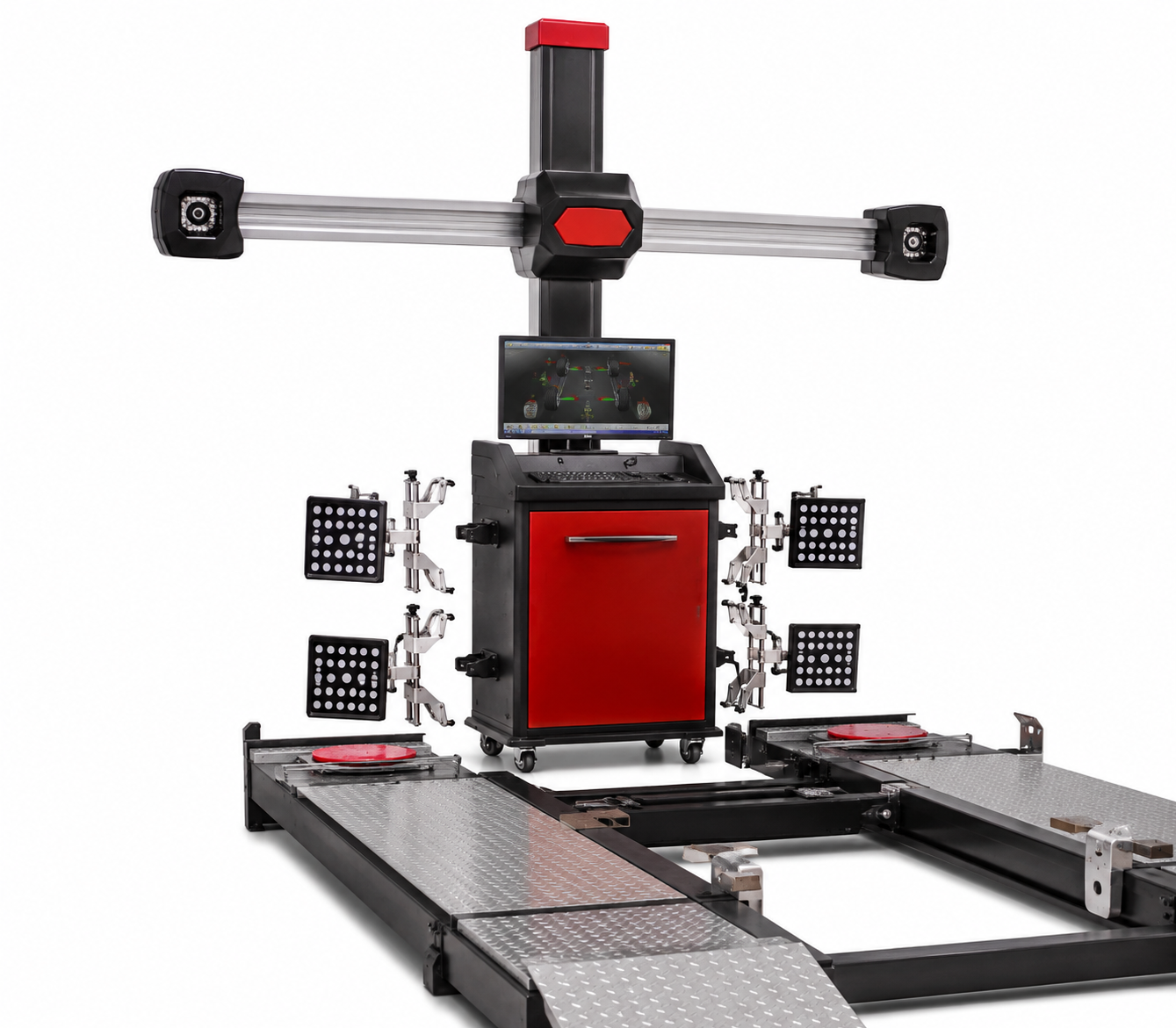
3D alignment equipment typically combines cameras, wheel targets, software, and a vehicle-specification database.
When comparing systems, consider:
- Measurement capabilities
- Camera arrangement
- Target design
- Database coverage
- Software usability
- Calibration requirements
- Reporting functions
- Update availability
A feature is valuable only when technicians can use it efficiently during normal workshop operations.
Check Compatibility With the Alignment Bay
The alignment machine does not operate in isolation.
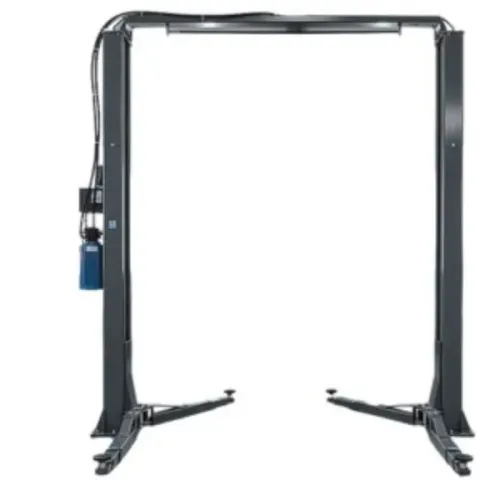
It needs to work with the workshop's alignment lift or platform, bay dimensions, wheelbase requirements, camera positioning, electrical supply, and available technician space.
Measure the proposed installation area rather than relying on visual estimates.
A site layout that looks spacious before equipment installation can become congested once cabinets, tyre machines, balancing equipment, tools, and customer vehicles are added.
Consider Technician Learning Time
Sophisticated equipment can still create delays if operators are uncomfortable with its software or setup procedures.
Ask how technicians will be trained and what operating guidance is available.
A clear interface and structured measurement process can be particularly valuable for workshops employing multiple alignment technicians.
Look at Service Support
Equipment downtime directly affects a service centre's ability to accept alignment jobs.
Before purchasing, understand the process for technical assistance, calibration, maintenance, and replacement components.
Workshop owners should ask practical questions rather than simply whether 'service is available.'
For example:
- Who handles equipment installation?
- What routine maintenance is required?
- How is calibration performed?
- What happens when a component requires replacement?
- Is operator training available?
- How are software or database updates managed?
Calculate Value Through Utilisation
The lowest purchase price does not necessarily produce the lowest operating cost.
Consider expected alignment volume, service pricing, technician time, maintenance requirements, and potential downtime.
A workshop performing only a few alignments each month will evaluate investment differently from a busy tyre centre handling alignment work every day.
For businesses in Zirakpur and the wider Punjab automotive market, local vehicle density and workshop positioning can influence utilisation potential.
Build the Purchase Around the Business Model
Aarya Automative Solutions provides automotive garage machinery for workshops and tyre service centres in Zirakpur. Businesses assessing a 3D Wheel Alignment Machine should begin with measurable requirements such as bay size, vehicle range, daily workload, technician skills, and planned services.
Equipment selection becomes easier when these requirements are defined before quotations are compared. Instead of purchasing the machine with the most features, choose the configuration that can support the workshop's actual alignment workflow reliably.
Keywords