Vehicle emission testing has become an important part of modern automotive service infrastructure. For workshops, vehicle testing centres, and entrepreneurs planning emission-testing facilities, a reliable Pollution Check Machine helps measure exhaust emissions consistently while supporting an organised inspection process.
In a growing automotive market such as Zirakpur, where workshops serve private cars, commercial vehicles, taxis, and fleet operators, emission-testing equipment needs to be selected with practical operating requirements in mind.
What Does a Pollution Check Machine Do?
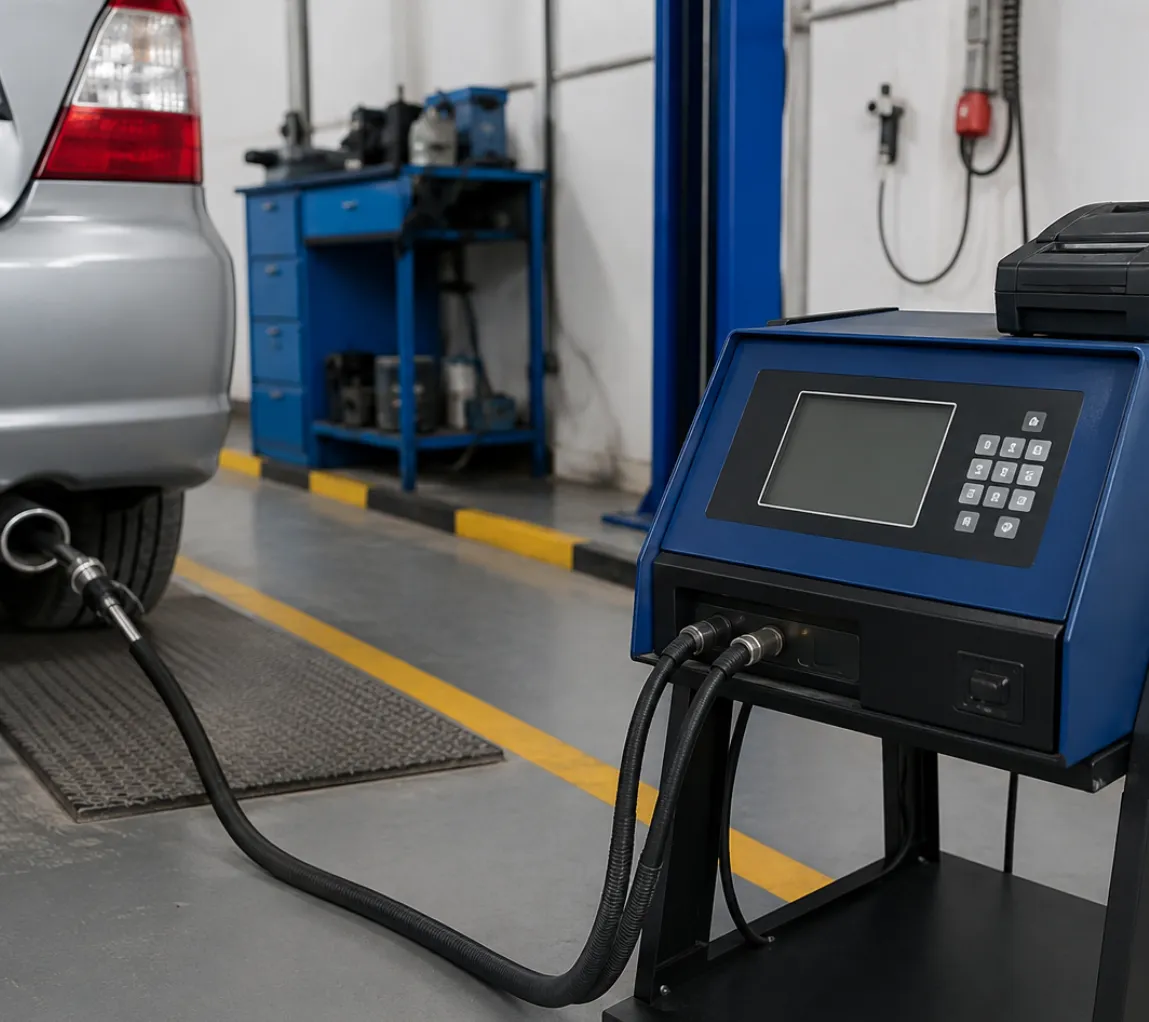
A Pollution Check Machine analyses gases present in vehicle exhaust. Depending on the equipment configuration and vehicle category, the system can help measure parameters associated with petrol, diesel, CNG, or LPG vehicle emissions.
The purpose is not simply to produce a reading. Reliable testing depends on proper equipment setup, calibration, sampling, operating procedures, and routine maintenance.
A typical emission-testing workflow may involve:
- Identifying the vehicle and fuel type
- Preparing the testing equipment
- Positioning the sampling probe correctly
- Running the vehicle according to the required testing procedure
- Measuring relevant exhaust parameters
- Recording and reviewing results
- Maintaining testing records where applicable
Accuracy Depends on More Than the Machine
Workshop owners sometimes focus heavily on the initial equipment specification while overlooking the environment in which it will operate.
Contaminated probes, damaged hoses, improper calibration, unstable electrical supply, or incorrect testing procedures can affect consistency.
For this reason, workshops should establish a routine for checking sampling components and following the manufacturer's recommended calibration and maintenance schedule.
Operators should also receive appropriate training. Even advanced equipment cannot compensate for incorrect sampling practices.
Consider Daily Testing Volume
A facility handling occasional emission checks has different requirements from a dedicated vehicle testing centre processing vehicles throughout the day.
Before selecting equipment, estimate:
- Expected tests per day
- Vehicle categories being tested
- Available operating space
- Required documentation
- Computer connectivity needs
- Printer requirements
- Maintenance frequency
- Availability of technical support
This prevents both under-investment and unnecessary expenditure on features that may not suit the actual business model.
Plan the Testing Area Properly
Emission-testing equipment should be installed where operators can work safely and efficiently.
Adequate ventilation is particularly important because vehicles may need to remain running during portions of the inspection process. Cable routing, probe storage, computer placement, and vehicle movement should also be considered while designing the testing bay.
For automotive facilities in Zirakpur and other parts of Punjab, planning equipment placement during the workshop-design stage can be easier than modifying a congested facility later.
Maintenance Should Be Part of the Operating Routine
Emission-testing equipment works in an environment where dust, exhaust residue, heat, and frequent handling are common.
Regular inspection of filters, probes, hoses, sensors, and related components helps reduce avoidable interruptions.
Workshop managers should maintain a service record so that calibration, maintenance, and component replacement are not dependent on memory.
Choosing Equipment for Long-Term Workshop Use
When evaluating a Pollution Check Machine, look beyond the purchase price. Consider equipment compatibility, operating simplicity, maintenance requirements, calibration support, spare availability, and after-sales assistance.
Aarya Automative Solutions supplies automotive garage equipment for workshops and vehicle service facilities in Zirakpur. Businesses evaluating emission-testing equipment can use their expected testing volume, vehicle mix, available space, and operational requirements as the starting point for equipment selection.
The most useful Pollution Check Machine is ultimately one that fits the facility's actual workflow and can deliver dependable performance when operated and maintained correctly.
Keywords