Choosing lifting equipment is one of the most important workshop-planning decisions because technicians depend on reliable vehicle access for inspections, repairs, and maintenance. Two Post lifts are widely used in automotive workshops, but they are not automatically the right solution for every application.
Understanding how they compare with other lifting arrangements helps workshop owners make a more practical investment.
What Makes a Two Post Lift Different?
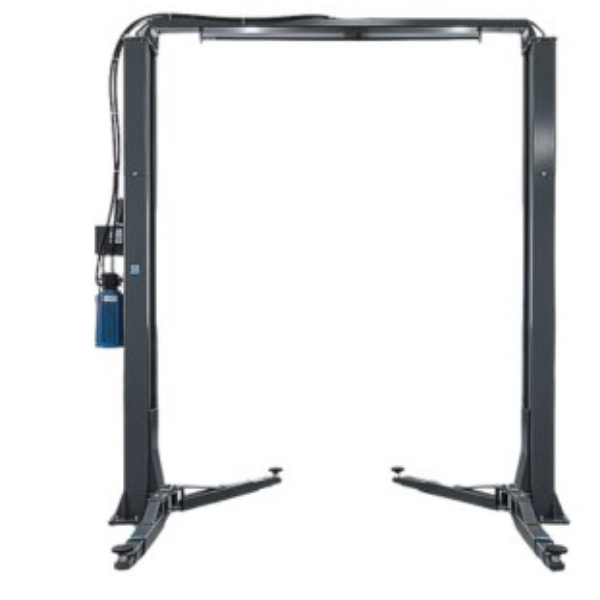
A two post lift uses two upright columns positioned on either side of the vehicle. Lifting arms extend beneath designated vehicle lifting points.
Once raised correctly, technicians gain access to many areas underneath the vehicle while the wheels remain free.
This configuration can suit tasks involving:
- Suspension work
- Brake servicing
- Wheel removal
- Exhaust repairs
- Transmission-related work
- General underbody inspection
- Routine mechanical servicing
Two Post Lift Compared With Four Post Equipment
A four post arrangement generally supports a vehicle by its wheels on runways, while a two post system supports it through lifting arms positioned beneath appropriate lifting points.
The difference affects the type of work that can be performed conveniently.
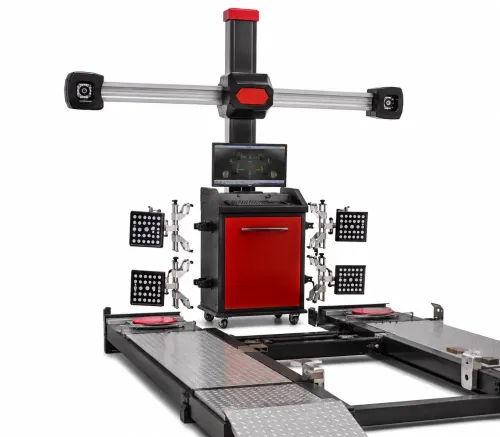
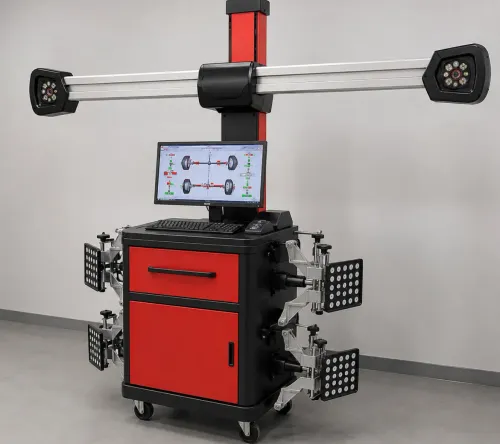
Two post equipment provides useful wheel-free access for mechanical repairs. Four post equipment can be suitable for applications where vehicles remain supported on platforms, including certain inspection and alignment configurations.
Neither design is universally superior. The correct choice depends on the intended work.
Consider Workshop Floor Conditions
Vehicle lifting equipment transfers significant loads into its installation area.
Before installation, workshop owners should verify floor and foundation requirements specified by the equipment manufacturer. Installation should be carried out correctly rather than assuming any existing concrete floor is suitable.
Available ceiling height must also be checked.
This is particularly important for workshops in Zirakpur planning to convert existing commercial spaces into automotive service facilities.
Vehicle Capacity Must Match Customer Mix
A workshop servicing compact hatchbacks has different lifting requirements from a facility regularly working on SUVs or light commercial vehicles.
Do not select equipment based solely on the heaviest vehicle currently serviced. Consider the customer segment the business intends to serve over the expected working life of the lift.
Vehicle dimensions, weight distribution, lifting points, and equipment capacity all matter.
Technician Training Remains Essential
A capable lift does not eliminate operating risk.
Technicians must understand correct vehicle positioning, appropriate lifting points, arm placement, load limits, locking mechanisms, and pre-lift checks.
Before working beneath a raised vehicle, operators should follow the equipment manufacturer's prescribed procedures.
Which Workshop Should Consider This Configuration?
Two Post lifts can be particularly useful for mechanical garages, general service centres, suspension specialists, brake workshops, and multi-brand vehicle service facilities where frequent access beneath vehicles is required.
Aarya Automative Solutions supplies workshop machinery to automotive businesses in Zirakpur. When evaluating lifting equipment, the company can be considered alongside factors such as bay dimensions, intended vehicle range, lifting capacity, installation requirements, service access, and maintenance support.
The best lifting solution is the one matched to actual workshop operations. Comparing equipment by application rather than appearance or price makes it easier to build a service bay that remains practical as workload grows.
Keywords