Removing and fitting tyres manually can be physically demanding and inefficient, particularly in workshops handling multiple vehicles every day. A suitable Tire Changer helps technicians perform tyre removal and installation in a more controlled and organised manner.
However, not every machine suits every workshop.
Tyre service centres in Zirakpur may handle everything from small passenger cars to SUVs and light commercial vehicles. Understanding machine capabilities before purchasing can prevent operational limitations later.
How a Tire Changer Works
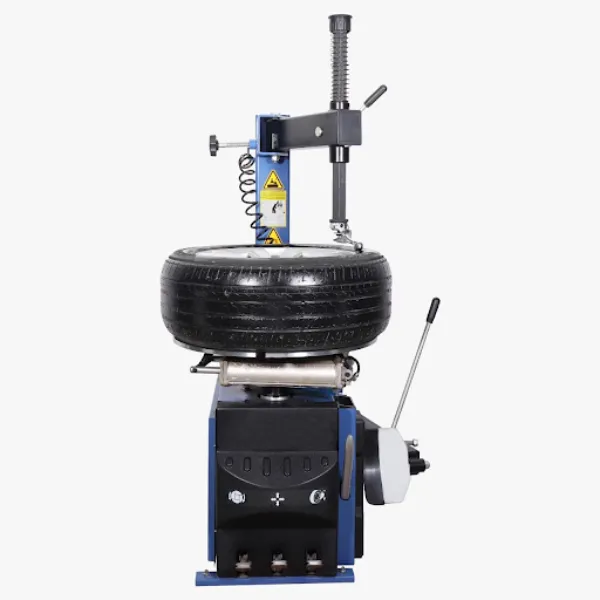
A tyre changer assists technicians in separating the tyre bead from the wheel rim, securing the wheel, removing the existing tyre, and fitting another tyre.
Typical machine components include:
- Bead breaker
- Turntable
- Clamping jaws
- Mounting head
- Operating pedals
- Tyre lever or associated tools
- Pneumatic components
Some models may include additional assistance for tyres that are difficult to mount or remove.
Rim Size Capacity Matters
One of the first specifications workshop owners should review is the supported wheel range.
A machine that works well for smaller passenger-car wheels may not suit the larger wheels increasingly found on SUVs and premium vehicles.
Workshop owners should examine their current customer mix and consider the type of vehicles they expect to service over the next several years.
Buying solely for today's smallest requirement can restrict future service capacity.
Consider Low-Profile Tyres
Modern vehicles frequently use wider wheels and lower-profile tyres.
These combinations may require greater care during mounting and removal. Appropriate equipment and technician technique can help reduce the risk of unnecessary tyre or rim damage.
If a workshop expects to service premium wheels regularly, equipment configuration should reflect that requirement.
Air Supply Is Part of the Setup
Many tyre changers depend on compressed air for important functions.
That means the machine should not be evaluated independently from the workshop's air system. Compressor capacity, air pressure, piping, moisture management, and simultaneous equipment usage all influence workshop performance.
A weak compressed-air setup can become a bottleneck even when the tyre changer itself is capable.
Technician Ergonomics Affect Productivity
Workshop efficiency is not only about machine speed.
The operator should have adequate working space around the tyre changer. Frequently used tools should be accessible, and the wheel balancer should ideally be positioned to support a logical tyre-service sequence.
A practical tyre bay might move through tyre inspection, removal, changing, inflation, balancing, and final installation without unnecessary movement.
For busy tyre centres in Zirakpur, small improvements in bay layout can accumulate into meaningful time savings across a full working day.
Maintenance Protects Equipment Performance
Moving components, clamps, pneumatic lines, pedals, and contact surfaces should be checked regularly.
Operators should follow recommended lubrication and maintenance procedures and report unusual movement or air leakage promptly.
Cleaning the machine is equally important because tyre service environments accumulate rubber particles, dust, and debris.
Match the Machine to Your Workshop
Aarya Automative Solutions provides automotive workshop machinery for garages and tyre service facilities in Zirakpur. When evaluating a Tire Changer, businesses should consider wheel capacity, tyre types, expected daily volume, available air supply, technician experience, floor space, and after-sales requirements.
Choosing equipment around real operating conditions creates a stronger foundation than selecting a machine based only on purchase price. The objective is to establish a tyre-changing process that remains practical as vehicle designs and customer requirements continue to evolve.
Keywords